

Lingua Franca.
Lingua means tongue in Latin, and this is clear today in the way that we might say someone knows a foreign tongue.
Thanks, Andrew from five days ago! Franca means French, as in of the Franks.
Put them together and you have “the French language”, which isn’t at all what people mean by lingua franca today.
It wasn’t the French themselves who began using the term lingua franca, and French wasn’t the first lingua franca.
French itself was an offshoot of Latin, which was certainly the lingua franca of the Western European world for hundreds of years. Spoken Latin ultimately splintered into Spanish, Italian, Portuguese, French, and other Romance languages.
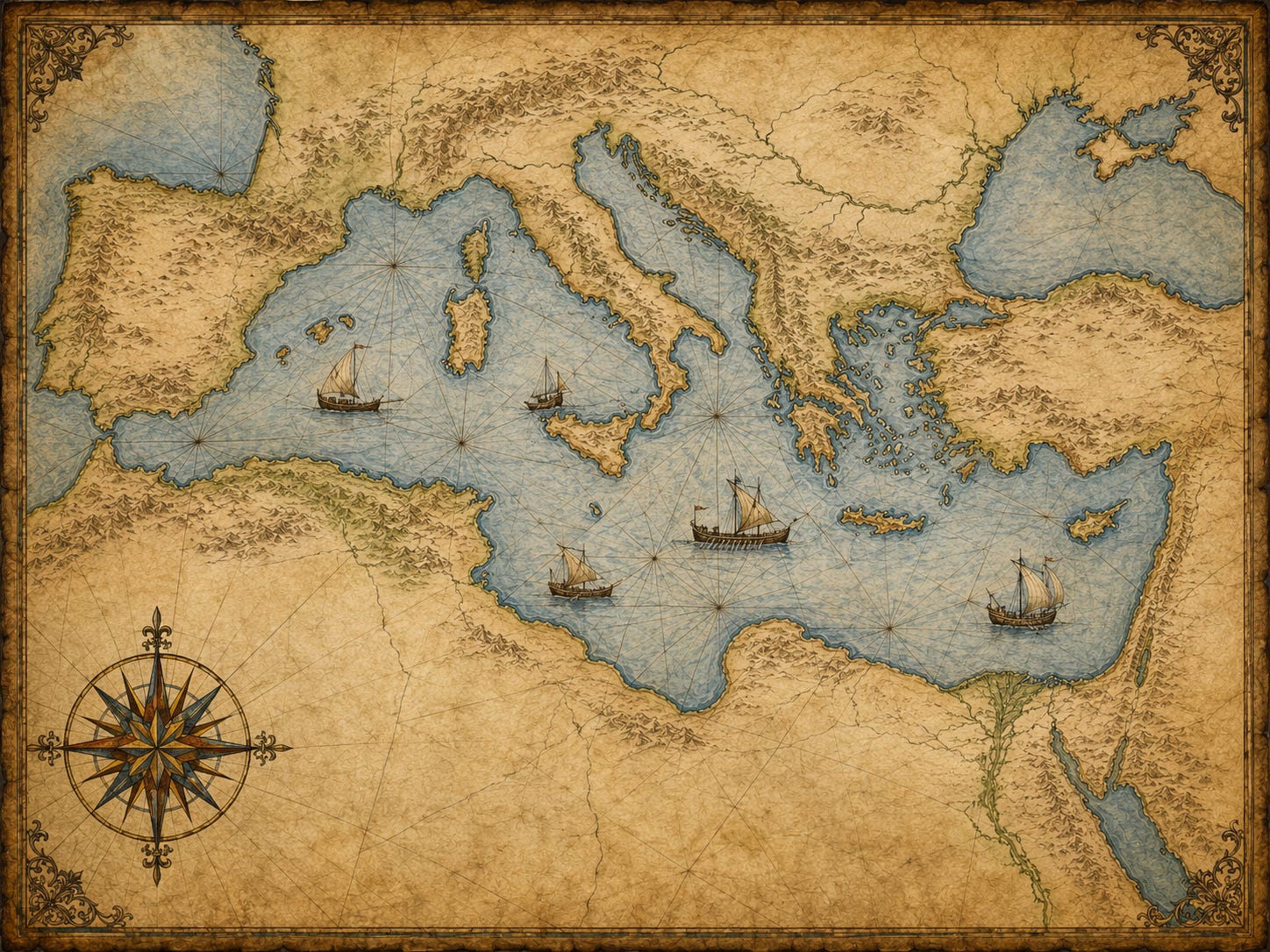
To the people living in Constantinople or other parts of the Eastern Roman Empire, or to the wealthy Arabic traders, these Europeans eventually got lumped together under the label of Frankish. It’s not that the Franks were the only group in Europe with this sort of muscle, but they were certainly among the most consistently dominant for centuries.
Lingua franca appears to have been coined by outsiders, then translated by Italians, and this makes perfect sense—both Venice and Genoa had gigantic trade networks. These merchants had the eagle’s eye view of all the trade, and they understood that you needed a common language to facilitate business.
You needed a lingua franca.
It wasn’t really French that became the common tongue, though. It was a lot more like a pidgin:
…predominantly used to bridge gaps. You can see pidgins anywhere there’s multilingual trade happening, because it turns out that people care a great deal more about doing business than they care about having proper grammar.
Pidgins don’t have too much time for grammar, but instead do just enough to get that business done.
This pidgin is what was first called a lingua franca.
Let us be frank.