
Pillar Talk

Doric. Ionic. Corinthian.
What do you know about pillars? If you’re like me, your head goes straight to Ancient Greece and those ornate columns:
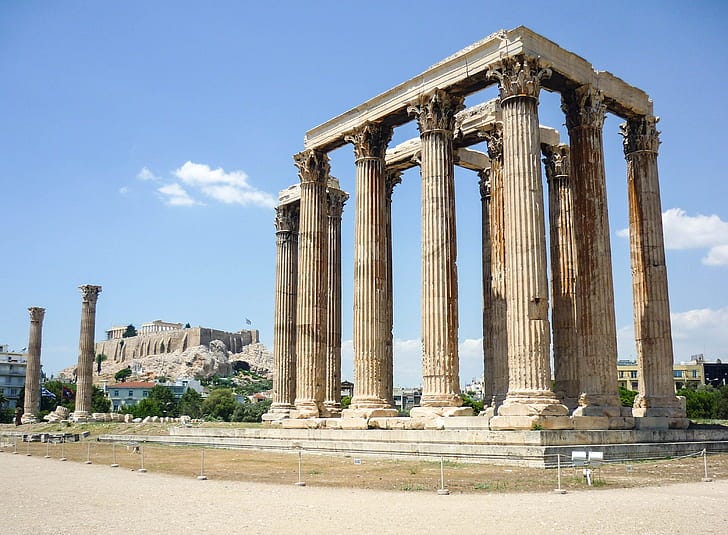
Ancient Greece certainly knew how to make pillars look good! They even modified the shape of their buildings so the columns would appear more aesthetically pleasing when viewed from a particular angle.
See how I went back and forth between the words pillar and column? This is very common in English, but there is an easy way to think about the distinction.
Now, not all pillars are columns, but all columns are pillars. A pillar is a tall structure used for vertical support, or at least giving the appearance of being used for vertical support.
A column is a pillar who thinks it looks awesome, and wants the world to know it.
Pillars, by contrast, are just doing the work quietly in the background, unless they’re columns. Still, pillars are amazing unsung heroes of architecture.
The oldest surviving pillars we have are from Göbekli Tepe.
Built around 9600 BCE, it pushed back the dawn of monumental architecture by many thousands of years—long before the invention of writing, the wheel, or even pottery.
Everything about our understanding of human history was suddenly up for reconsideration with this staggering find.
Before pottery.
Before agriculture.
Before settled communities.
Göbekli Tepe’s pillars aren’t precisely columns, though there are design elements that would filter down to Ancient Greece through a winding, millennia-long pathway. Instead, these monumental pillars show us how old this building style is.
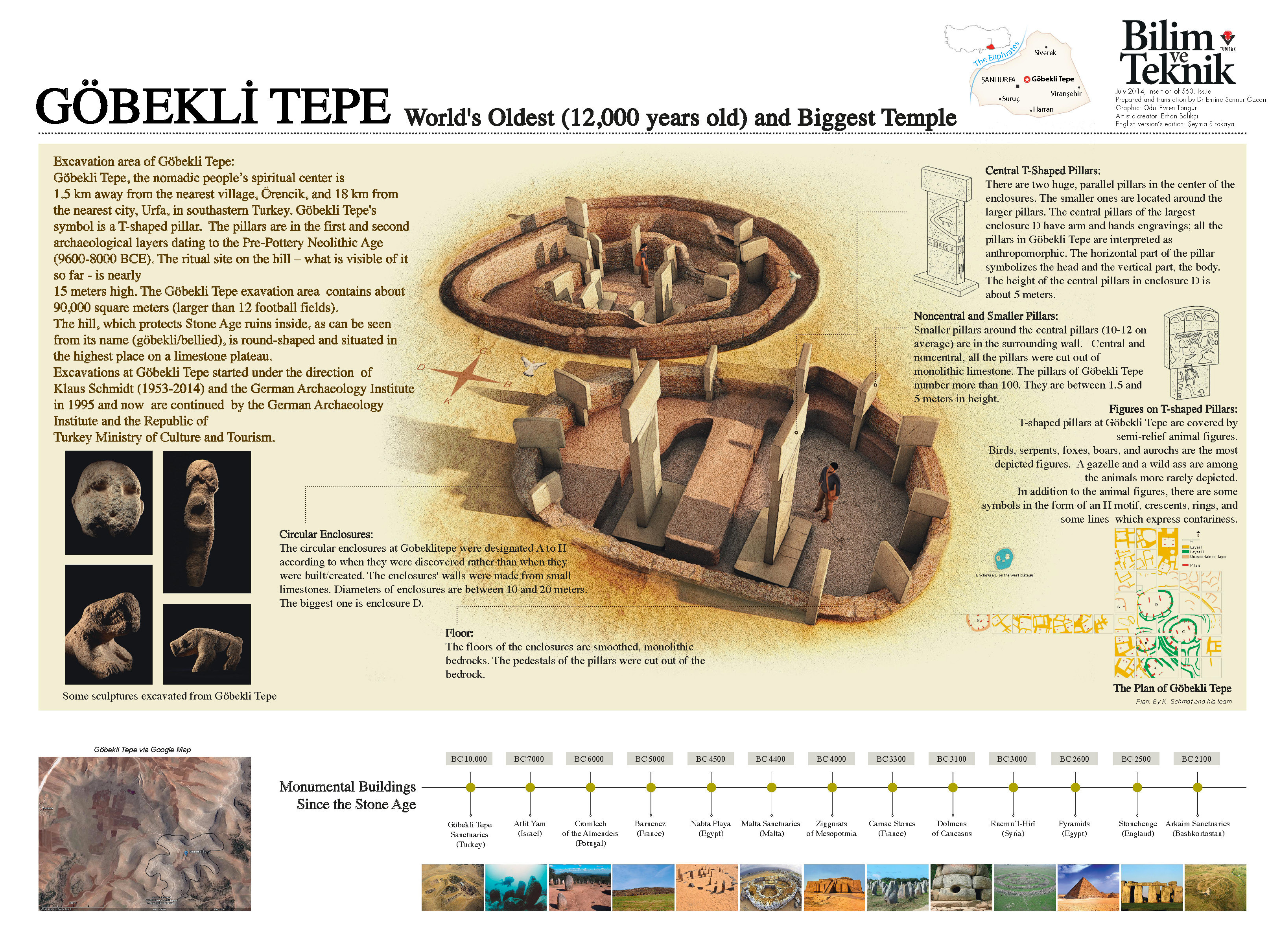
Pillars predate history—literally. The first words were written around 5000 years ago, and Göbekli Tepe contains merely the oldest surviving monumental pillars. Take away monumental and surviving, and you can probably go back many times further.
Oh the Göbekli Tepe seem very cool! Did they originally hold up part of a roof structure, or was the temple open air? Or do they not know?