
Rednecks

Some time in the 1890s, a new nickname for poor Southern white farmers arose in the popular American consciousness. Newspaper articles began describing the red-necks who had been out working in the field all day, tanned or burned by the Sun.
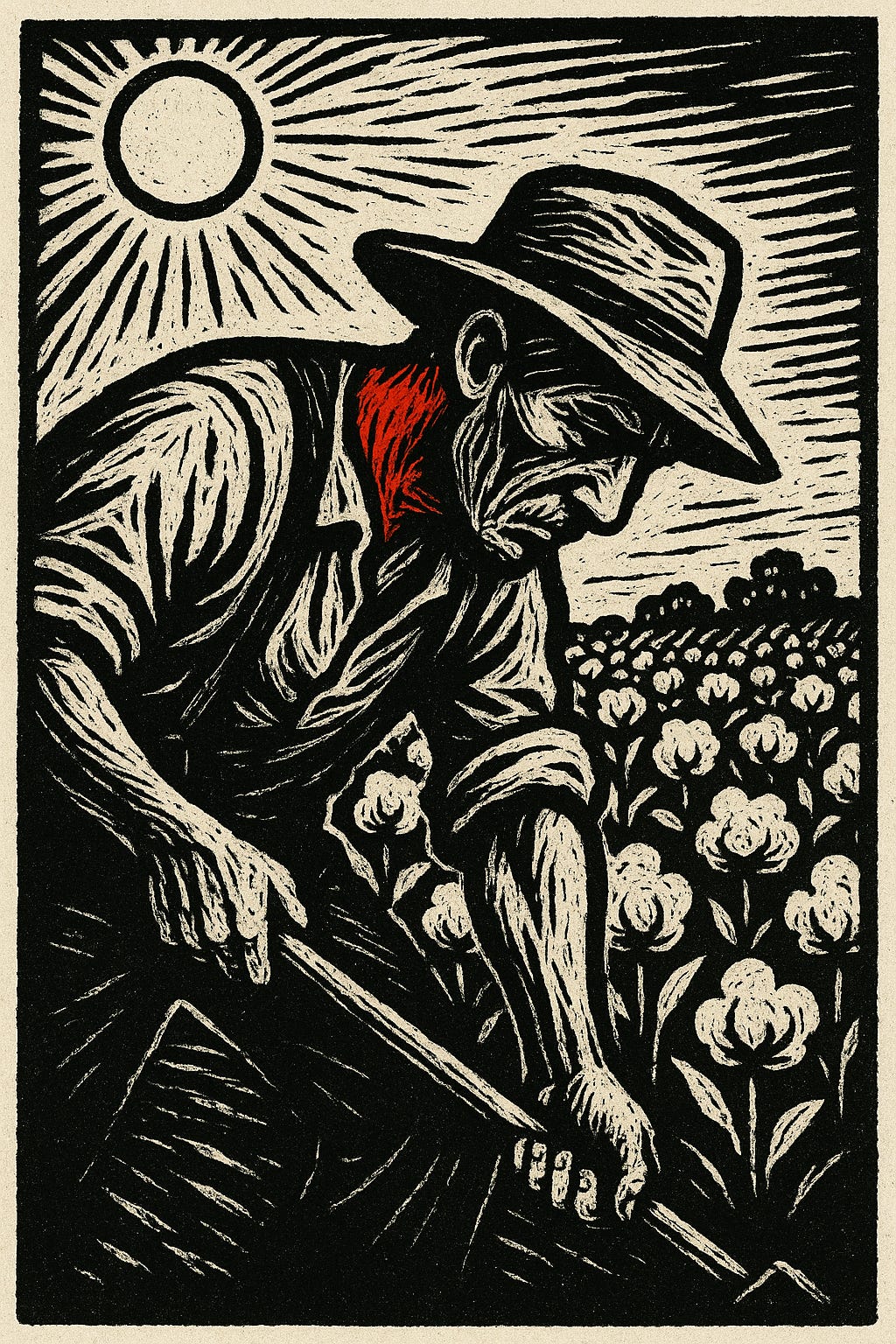
Whether or not this was intended to be a slur, the Southern farmers took it personally. Instead of shaking their fists, though, they embraced the insult as a descriptive term for a new faction of their Democratic Party—the Rednecks. The name stuck, though not in mere political terms.
Rednecks weren’t like their mortal enemies inside the Democratic Party, the Silk Hats. These were the wealthy Southern white men who had been plantation owners or who had inherited wealth, and the farmers really resented these rich white men. By embracing the Redneck label, they vividly distanced themselves from the elite whites.
When I grew up during the 80s, the term redneck was absolutely derogatory. It was used as a slur against anyone who had a narrow world view, but also sometimes to indicate poverty.
As I grew older, this contrast struck me as jarring: we were supposed to make fun of people for being ignorant, which I could get behind, but also for being poor? I began to draw a distinction in my own mind, where I only used the term to describe the mindset of redneck culture, not the money.
You might have heard a few alternative explanations for where the term redneck came from, and those are worth exploring here.
In West Virginia in 1921, union coal miners wore red bandanas to show solidarity, and they were even called rednecks. They embraced the term, which became a catch-all for any member of the labor union involved in the mining wars, an important and major labor dispute.
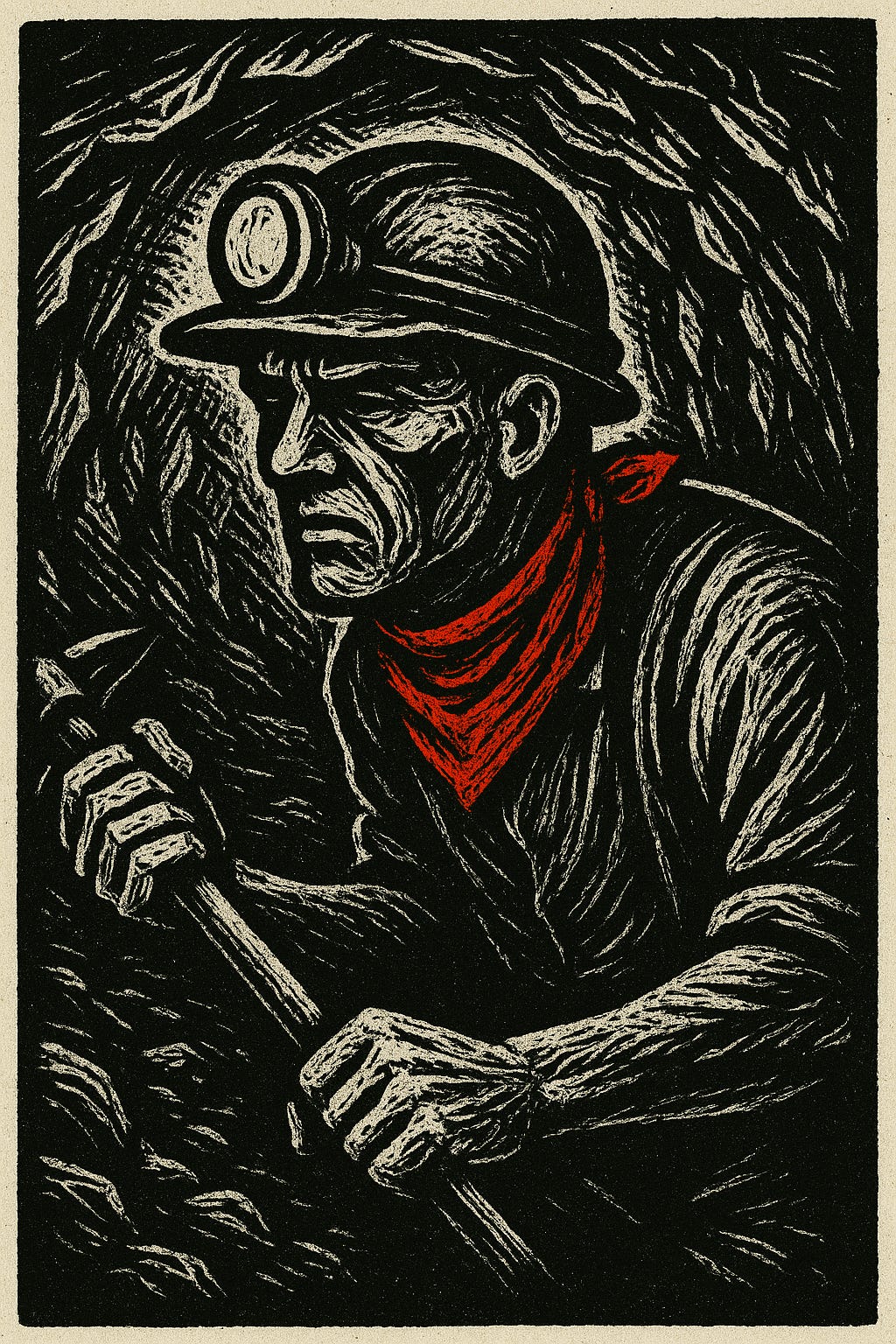
This origin myth persists, but the term was clearly already around before the WV mining wars. However, there’s a much older story you’ll sometimes read as the true origin of the word redneck. I’m not so sure, but I’ll let you be the judge.
In the 1640s in Scotland, it was these people who demanded that Scotland remain Presbyterian. This was in direct response to King Charles I of England, who had insisted upon Anglican bishops being in charge of Scottish churches. If you’re envisioning an enormous middle finger, you are not far from the mark.
The folks who ended up in the Ulster region of Northern Ireland drew their direction from these Covenanters. They had taken a covenant not to allow bishops to be in charge of their church services, instead believing that decentralized authority ensured a much better outcome.
These same folks ultimately settled in the frontier regions of what would become the United States, in places like Pennsylvania, Virginia, and eventually, South Carolina.
There, they would form a network of Presbyterian churches, free from any outside influence, and a hallmark of the early American identity. These so-called Covenanters are said to have worn red cloths around their necks to show solidarity, just like those West Virginia union miners would centuries later.
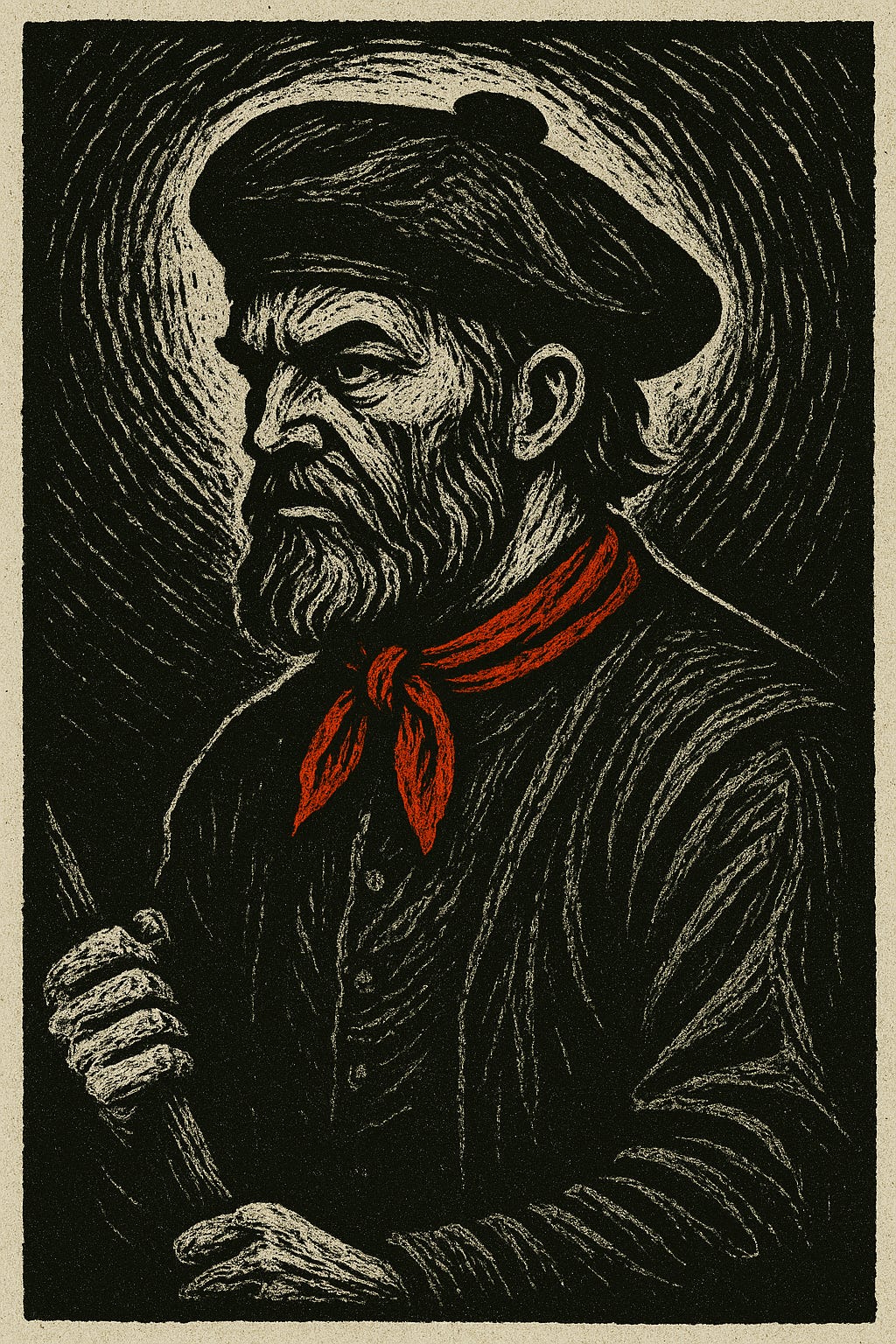
Are said to have worn is doing all the heavy lifting here.
Many of those miners were descendants of the Scottish Covenanters, who would then go on to become Ulster Scots or Scots-Irish, if you prefer. They would then settle anywhere there was a frontier.
Maybe these men really did wear red bands around their necks, and maybe they were even called rednecks at the time—but I really doubt it, and the meaning wouldn’t have been the same anyway. Still, it’s intriguing to consider those roots crossing over by way of the Scots-Irish, and I wonder if maybe the old name was brought back into fashion because of some kind of institutional memory.
Great piece. Interesting that in Hanover County is a beautiful memorial to (maybe?) the first Presbyterian Church in America: Historic Polegreen Church – Inspired by the Great Awakening, the successful struggle for American religious and civil liberty began at this Hanover meeting house. Bricklayer Samuel Morris and his fellow Hanover Presbyterian dissenters were led in worship by Rev. Samuel Davies, known as the Apostle of Virginia. From 1747 to 1759 Davies became Virginia’s first licensed non-Anglican preacher. Davies’ oratory greatly influenced young Patrick Henry who attended Polegreen with his mother, Sarah. In 1864, Polegreen was destroyed by fire just before the Battle of Cold Harbor when Confederate artillery fired on the church to dislodge Union sharpshooters. Today the Site serves as a historical site, a wedding venue, and a gathering place. The site hosts community events and tours, and allows visitors to come and wander through the Church on their own. Jason Mraz got married in this church, and it has become a picturesque and memorable wedding venue for many couples. Take the guided cell phone tour.
In high school, red necks were those who drank PBR while the dopers or dope freaks drank non PBR beer, smoked pot, with fewer doing chemicals like PCP or acid or mescaline. We were a rural school so none were known for shooting up or using syringes.
In general the red necks were fine being called red necks as were the dopers.