
More Like Devils

Samuel Aven Smith was my great-great-grandfather, and he left behind a diary that recorded a lot of things that happened to him. These were his “Notes and Incidents of Life”, as he called them.
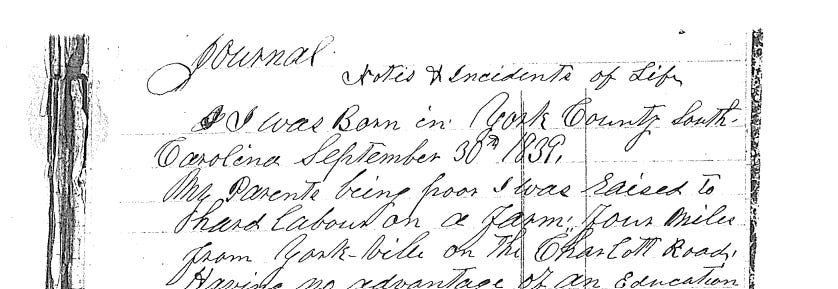
Aven’s first-person lens is incredibly valuable—a direct window into the past that is often surprising when I read it. This man was very much a product of his time: a Confederate soldier, a Presbyterian, and a poor white farmer who nevertheless regarded white men as superior to all others. That’s why it jarred me to read this line, which I first assumed was about Black people:
They were more like Brutes in human form than men.
They were More like devils than Christians.
Not so! This is Aven describing a Methodist revival meeting. Specifically, this was the Rock Springs Camp Meeting in Lincoln County, North Carolina, circa 1870.
This might seem odd: Aven identifies as a Christian, and throughout the diary it is clear that this is central to his identity. And yet, here we have another group of Christians who seem to be more offensive than the presumably atheistic, pagan populace. What’s going on here?
What’s going on is schismogenesis, a term coined by anthropologist Gregory Bateson during the 1930s. While observing the Iatmul people of Papua New Guinea, certain patterns of interaction led to escalating behaviors. These patterns intensified minor differences that existed, instead of fostering unity.
Whenever one tribesman showcased a particular achievement or skill, another tribe member would not just appreciate it but would feel compelled to outdo his rival.
Soon enough, another would rise to outdo the last, creating a spiraling cycle of one-upmanship, leading to an ever-escalating dance of reciprocity. This vicious cycle became almost cartoonish over time, amplifying explainable behavior into something almost farcical in nature.
Bateson coined the term schismogenesis (from Greek words meaning “the beginnings of a division”) to describe this cycle.
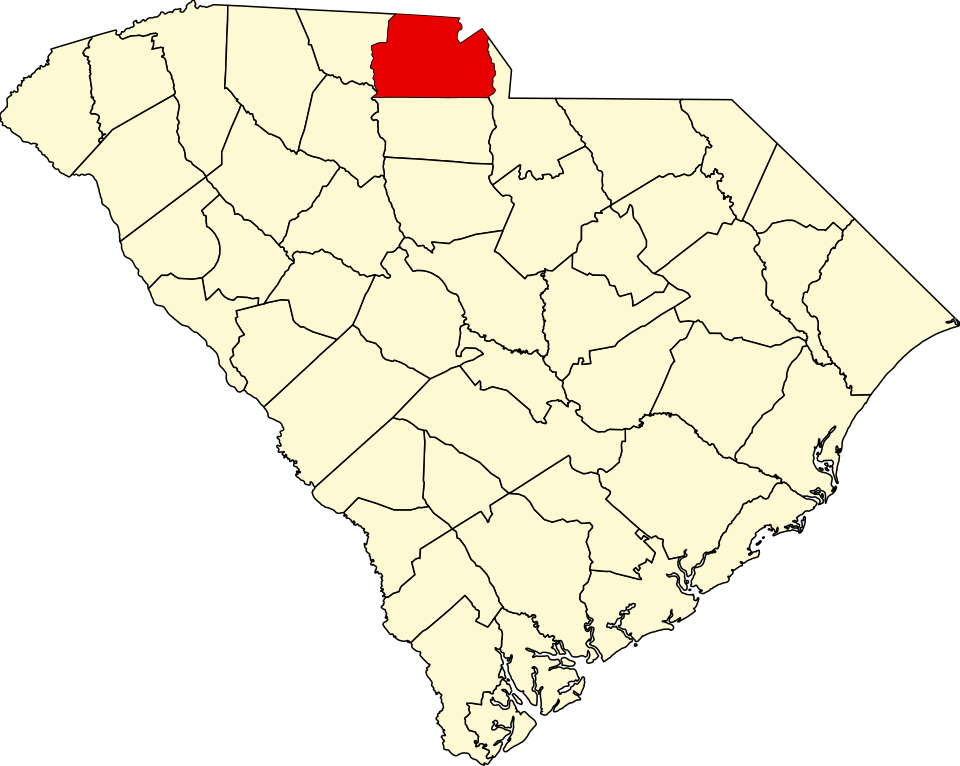
Methodism and Presbyterianism operated very differently, and those differences were everything to Aven. Eventually, he settled once again in York County, South Carolina, where there were plenty of Presbyterians around.
These Methodists surely thought of the Presbyterians as dull and soulless, unwilling to embrace the spirit of God with the necessary level of emotion required for such a fundamental experience. The Presbyterians clearly disliked disorder, and appreciated their hierarchical Church based on elected elders. I’m sure this difference got more notable over time, as each group made the point to be unlike the other.
I’m willing to bet I’m made up of a few Methodists as well as a healthy dose of Presbyterians. My mom’s side of the family lived in the area near Rock Springs, and it’s entirely plausible that ancestors from either side crossed paths back then.
Intriguing to imagine.
Yes, “schism” is a good word for it and it seems to be rooted in fear of the “other”…
In Canada the Methodists and the Presbyterians joined forces (as the United Church of Canada), presumably to have parity with the Catholics, Anglicans and Mennonites. Those four still are the main Christian religions in Canada, and some have recently been made to pay penace for previous bad actions...