

Honestly, this title is misleading. I’ve known several Richards during my lifetime, and very few of them were dicks. In another era, any of them might have gone by Dick as a nickname.
There are nicknames or abbreviations for names that make sense. I’m not fond of being called Andy, but it’s perfectly rational that this word began as Andrew. Joe is short for Joseph, Pat stands for Patrick, and if your ears squint hard enough, you can tell how Jim is short for James.
Richard and Dick, though? Let’s break that down.
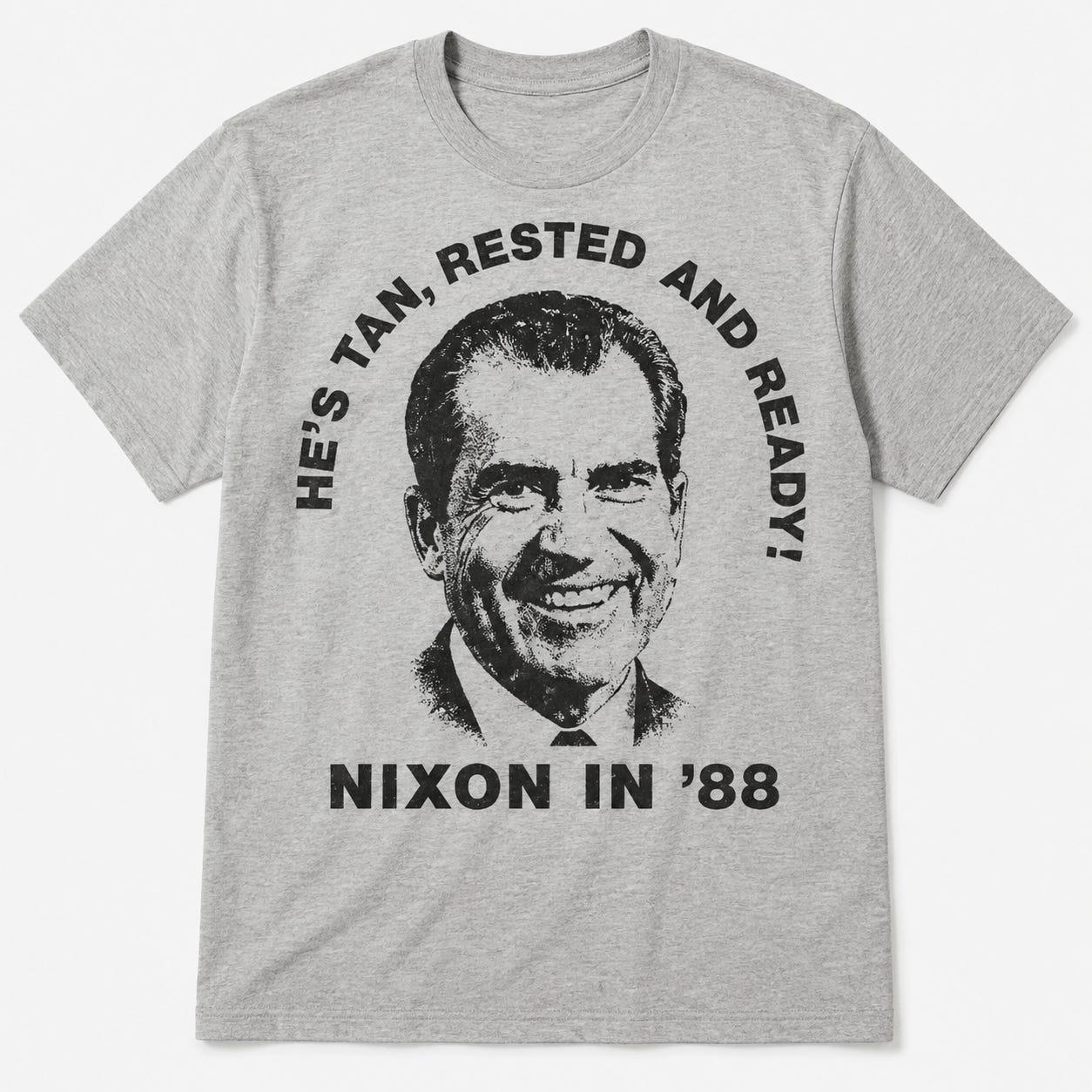
Here, we only have to go as far back as Middle English, around the time of Magna Carta, when a man recorded as Dicke Smith shows up. Smith, you say? Maybe we’re distantly related.
Other Dicks would keep showing up in written text, and eventually in print. These Dicks were all over the place with spellings: Dik, Dicke, and Dike were all fairly common. Shakespeare’s First Folio was still using the Dicke spelling in 1623. Finally, everyone settled on D-I-C-K, but this consolidation wasn’t even or all at once.
It’s important to know that Richard could be pronounced more than one way back then. Richard (with that softer ch sound) competed with Rickard (still spelled Richard). It makes a lot of sense, then, that Rickard would become Rick. We still have that nickname today, too.
You’re thinking: okay, but how do you get from Rick to Dick?
That’s the best part: you just swap out the first letter, so you have a nickname that rhymes with that other nickname.
No, seriously. That’s how Rick became Dick.
Welp, I'll never look at "Pickle Rick" the same way again.
Even Dick Tracy was really a "Richard".